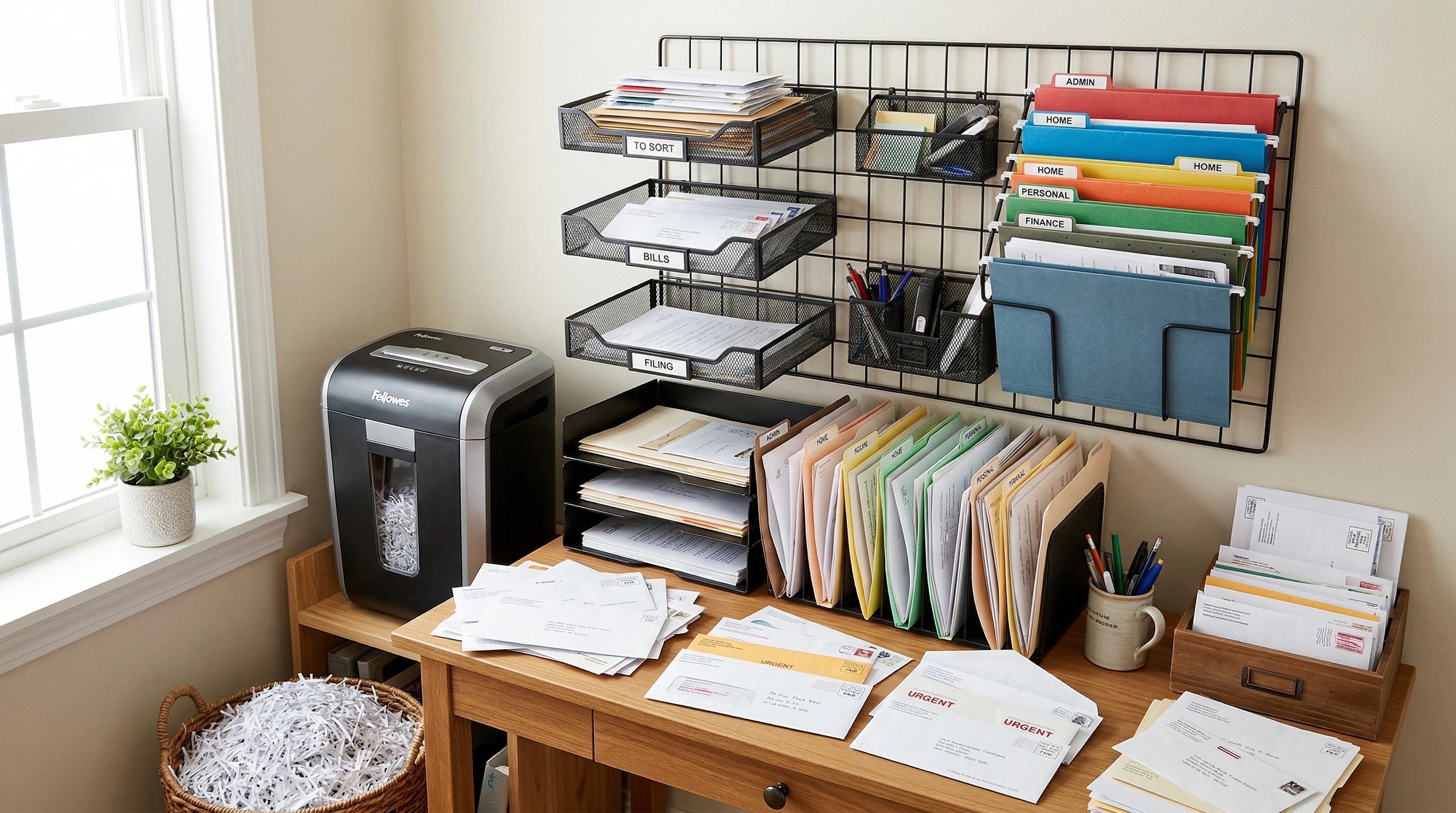
 Dealing with piles of mail can feel never-ending. Bills, ads, bank statements, packages, catalogs—if you’re anything like me, it doesn’t take long for your mailbox and entry table to get completely out of control. When the important stuff gets buried, you might miss deadlines and add extra stress to your day.
Mail clutter is a real problem surprisingly, considering computers and email were considered to be the answer to paper clutter. Piling mail can sneak up fast. Incoming mail gets all mixed together. The first big step toward less chaos is getting a simple system in place that works for you. Good news: with a few tweaks and a bit of regular effort, you can get control of your mail and keep it from taking over your space and sanity.
This guide covers practical steps to manage mail effectively, stop paper from piling up, and make sure nothing important slips through the cracks. It’s all about creating good habits and using a few tools that actually make life easier.
Figure Out Where Mail Piles Up
Mail seems to gather in the strangest spots. Maybe at home it’s your kitchen counter, the hallway table, or the in the office at the end of your desk. If you keep dropping mail wherever is convenient, you’ll have little stacks everywhere before you know it.
Common Spots Where Mail Gathers:
- Kitchen counters and dining tables
- Entryway tables or shoe benches
- Office desks (even under your keyboard)
- Bags, purses, or even backseats of cars
The first thing that’s really helpful is picking one dedicated spot to deal with mail. At home putting a tray or small basket by your door is a handy way to catch mail as soon as you walk in, so it doesn’t start wandering all over the house.
Sort Your Mail Instantly. Don’t Wait!
It’s easy to set something down and think, “I’ll open that later.” Suddenly you have a mountain of envelopes that just sits there for weeks.
Quick-Sort Method:
- Stand next to a recycling bin or trash can
- Open and deal with each piece as soon as you bring it in
- Immediately toss junk mail, flyers, and ads you know you won’t want
- Sort the rest into just two piles: “To Do” and “To File”
Try keeping a shredder right next to the mail basket, this helps a ton. Anything with sensitive info gets shredded right away, and only keep what actually needs attention.
Types of Mail to Keep or Toss:
- Keep: Bills, personal letters, packages, official notices, event invites
- Toss: Promo ads, catalogs you’re not interested in, preapproved credit offers (shred these for safety), random flyers
Reducing the stack on Day One makes staying on top of things much less stressful, and a routine means clutter won’t grow unnoticed.
Set Up Simple Action Folders or Bins
Organization doesn’t have to be complicated. I’m not talking color coded filing cabinets (unless that’s something you would like). Even two simple folders can get the job done.
- Action (for things you need to do, like bills to pay or forms to sign)
- File (for things you need to keep, such as tax documents, receipts, or insurance info)
Some people use stackable letter trays, wall mounted organizers, or just two folders in a drawer or basket. The main goal is to always know where to put “do now” versus “keep for later” papers so decision making feels automatic.
Quick Tip:
Label action folders with bright words like “Pay Soon” or “Mail Back” so they jump out. If you add a due date on sticky notes, it’s even easier to spot what to tackle first and keep your priorities clear.
Go Digital When Possible
If you’re getting overwhelmed with paper, you can skip a lot of it by switching to digital where it works. So many banks, credit cards, insurance, and utility companies let you choose paperless statements for less mess.
How to Switch to Digital:
- Log in to your online accounts (banks, utilities, etc.)
- Look for “Go Paperless” in account or statement settings
- Sign up for email alerts for bills and important notices
- Scan or photograph anything you need to keep long-term, like warranties or receipts
For things you actually want to read (magazines, newsletters), many offer digital subscriptions or email editions. Less paper means less sorting and less storage needed—giving you more space and fewer headaches.
Handle Packages with a Routine
Packages and boxes stack up fast, especially with all the online shopping these days. Keep a designated spot for incoming packages and open them soon after arrival so nothing gets overlooked.
- Put empty boxes out for recycling right away
- Store packing slips for returns in a folder or tray marked “Returns” (even a kitchen drawer works)
- Keep scissors or a box cutter nearby for quick opening
I put my packages right by the door and open them as soon as possible, so I never forget what was ordered or lose track of returns. If returning items is a regular thing, it’s even more helpful to keep a few reusable mailers or boxes on hand for hassle-free returns.
Schedule Time Each Week to Finish the Job
Even with a solid sorting habit, it’s easy for “To File” stuff to pile up when life gets busy. Block out 10-15 minutes a week to empty your action folder and stash things away properly, keeping things under control.
What to File Away:
- Receipts for big purchases
- Tax related paperwork
- Bank, mortgage, or insurance statements you can’t get online
- Letters or sentimental cards
Keeping up with weekly filing means you never have mountains of paper waiting for you. You can relax knowing important items will be right where you need them.
Cut Down on Unwanted Mail
There are ways to reduce how much junk comes in to begin with. The following tips are handy:
- Register with OptOutPrescreen to stop credit card offers
- Use the DMAchoice website to trim magazine, catalog, and marketing mail
- Return to sender or unsubscribe from mailers you no longer want
Dealing with less mail in the first place means less clutter overall. It also helps the environment by reducing unnecessary paper waste.
Common Challenges & Simple Solutions
I always forget to check the mail until it piles up. What helps?
- Set a daily reminder on your phone
- Pick a regular routine (like right after you get home or before dinner) for checking and sorting mail
- Swap mailbox duties if you have others in the home. In the office its easier you either pick up your mail from the mailroom, or it arrives at your desk. There doesn’t seem to be the same mail problem at the office because you spend more time there each day, if you are an office professional.
What about keeping important papers safe?
- Consider a small lockbox or fireproof safe for birth certificates, passports, and other official documents
- Scan digital copies for backup on your computer or cloud storage
- Only store what you absolutely need in safe spaces
I feel overwhelmed by years of old mail. Where should I start?
- Set aside just 10-15 minutes a day to go through a small stack or folder
- Toss anything older than a year (except tax, insurance, or legal documents)
- Set up a simple system moving forward so the pile never gets that big again and you can breathe easier
Smart Habits to Stay on Track
Creating a habit for handling mail is super important if you want to avoid clutter and missed deadlines. Here’s what works for me:
- Sort mail the instant it comes in. Don’t let it sit unnoticed
- Keep junk out by opting out of offers and using a shredder right away
- Pay bills online and sign up for email alerts
- Schedule a quick weekly filing session—you’ll save loads of time and stress
Your Action Steps:
- Pick a dedicated mail spot near your entry to keep things from spreading
- Sort and toss junk immediately every day
- Set up two folders: Action and File
- Go paperless where it makes sense for extra simplicity
- Spend a few minutes once a week clearing your folders completely
If you stick with this, you’ll feel way less stressed and way more on top of your mail. Got any tricks for handling mail that have worked for you? Share them below and help others get organized too!