
Struggling to make your way through a mountain of tasks at work can sometimes feel like juggling with too many balls. It’s not just about being busy; it’s about figuring out what actually matters. Picking the right things to tackle first can really knock down those stress levels and help you get more done without the burn out. I’ve had plenty of busy workdays myself, and I’m here to share what has actually worked for me when it comes to sorting tasks for a lighter, less overwhelming workflow.
Why Prioritizing Tasks Is Really Important for Lowering Work Stress
A lot of us deal with workplace stress, and so much of it comes from not knowing where to start on a long to-do list. Research from the American Institute of Stress shows that workload is a top cause of stress for most professionals. Having a reliable way to prioritize gives you direction, so you’re not just reacting to every new request or email that pops up. Setting priorities helps us to keep focus and make progress.
I’ve found that laying out my priorities doesn’t just clear my schedule, it also provides clarity and makes my day feel less overwhelming. Knowing what’s actually at the top of your list gives a sense of control, and that’s huge when you feel stretched thin. There’s plenty of evidence showing people who actively count their priorities are more likely to finish tasks on time and report less job stress.
When you track down your real priorities, you can put your energy and focus into what moves the needle, rather than scatter your attention across unimportant distractions. The result is not only a productivity boost but also peace of mind, making all those work hours count for something significant.
Getting Started: The Key Steps to Prioritizing Tasks
If you’re feeling buried under a pile of assignments, the best starting point is to jot every task down—anything lingering in your mind or inbox. Once it’s all on paper or in a digital tool, you can start to sort and organize. Here are some proven strategies to help you get started:
- Eisenhower Matrix: This lets you sort tasks into four sections according to “urgent” and “important.” Often, we get tripped up by urgent but not important tasks, which can eat away at our day.
- ABC Method: Tag everything as an A, B, or C. “A” tasks are absolute must-dos, “B” can wait a bit, and “C” tasks are the ones you can tackle only if there’s time or delegate away.
- Time Blocking: Use your energy peaks wisely; put demanding tasks in blocks when you’re most alert. Lighter tasks can be handled when your energy drops. Sometime my energy drops around 3pm so I handle these lighter tasks at that time.
The goal is to give structure to chaos, setting yourself up for a productive day instead of one led by anxiety or endless switching between tasks.
How to Build a Stress-Busting Prioritization Habit
Making prioritization a habit takes a bit of effort, especially if you’re used to jumping straight into work or reacting to notifications. I found that starting with tiny steps and being consistent makes the habit stick.
- Start with a Daily Brain Dump: Each day, spend five minutes writing down all those scattered tasks or ideas. This clears your mind, so you can focus on what counts.
- Organize Once, Work the Rest of the Day: After listing everything, tag and order tasks based on urgency and importance. This makes your top priorities impossible to ignore—they’re right in front of you all day.
- Check In and Tweak: Finish your day by reviewing what worked and where you got derailed. If you notice a recurring distraction, tweak your plan for tomorrow. That makes for a much better feeling as you wrap up the day.
My own routine involves a quick look at the next day’s priorities before I leave the office. It’s a five-minute investment that starts my mornings on the right track—no wasted time or mental fog. Overwhelm gone!
Common Roadblocks in Task Prioritization and How to Overcome Them
No system is perfect, and real-life work can throw plenty of curveballs. Here are some bumps I’ve faced, along with tips that made a difference:
- Too Many Number-One Priorities: If everything’s labeled as urgent, you’ll never finish anything meaningful. I try to limit myself to three “A-level” tasks per day. This helps me channel my energy where it counts.
- Interruptions: Meetings, calls, and surprise emails can blow up the best-laid plans. That’s why I set boundaries—dedicate fixed slots, like late morning and mid-afternoon, for email. This way, my workflow doesn’t get thrown off all the time.
- Guilt Over Low-Priority Stuff: It’s tough to let go of minor items. Remember: getting big tasks checked off leaves more time and less guilt for those small, leftover chores later in the day. I also allocate a catchup day for these.
Balancing Urgent Requests Without Losing Focus
I started using an “interrupt list” for new tasks that pop up out of nowhere. Instead of immediately reacting, I jot them down, review my current priorities, and only switch if the new item truly outranks what I planned. This keeps me in control, reduces stress, and makes sure nothing falls through the cracks.
The Trap of Multitasking
On paper, multitasking seems like the way to get more done. In practice, it increases mistakes and boosts stress. Studies out of Stanford University demonstrate that multitasking actually drags down productivity. When I switched to focusing on one thing at a time, I ended up finishing more and remained in control and calmer at the end of the day.
Practical Tools That Can Level Up Your Prioritization
The right tools can really step up your workflow. Everyone’s different, but here’s what I found effective:
- Trello or Asana: Visual tools that let you map your projects and see progress. Moving tasks through their stages is seriously satisfying!
- Outlook: A lifesaver for time blocking—assigning tasks a specific time helps keep you honest about your workload.
- Good old-fashioned pen and paper: Sometimes, nothing beats a handwritten list where you can physically cross things off. That act of ticking off tasks reduces stress in the moment. This surprisingly works when I can’t seem to get that calm feeling or I feel tasks are not easily accessed without login.
It’s not about what tool you use, but about being consistent and making it a staple of your daily routine.
Quick Wins: Tips to Shrink Stress Instantly
You don’t need a full prioritization system right off the bat. Here are some mini hacks that can give an instant stress boost:
- Tackle the Fastest Task First: If something takes less than two minutes, do it now. Getting a couple of quick wins early can set a positive tone.
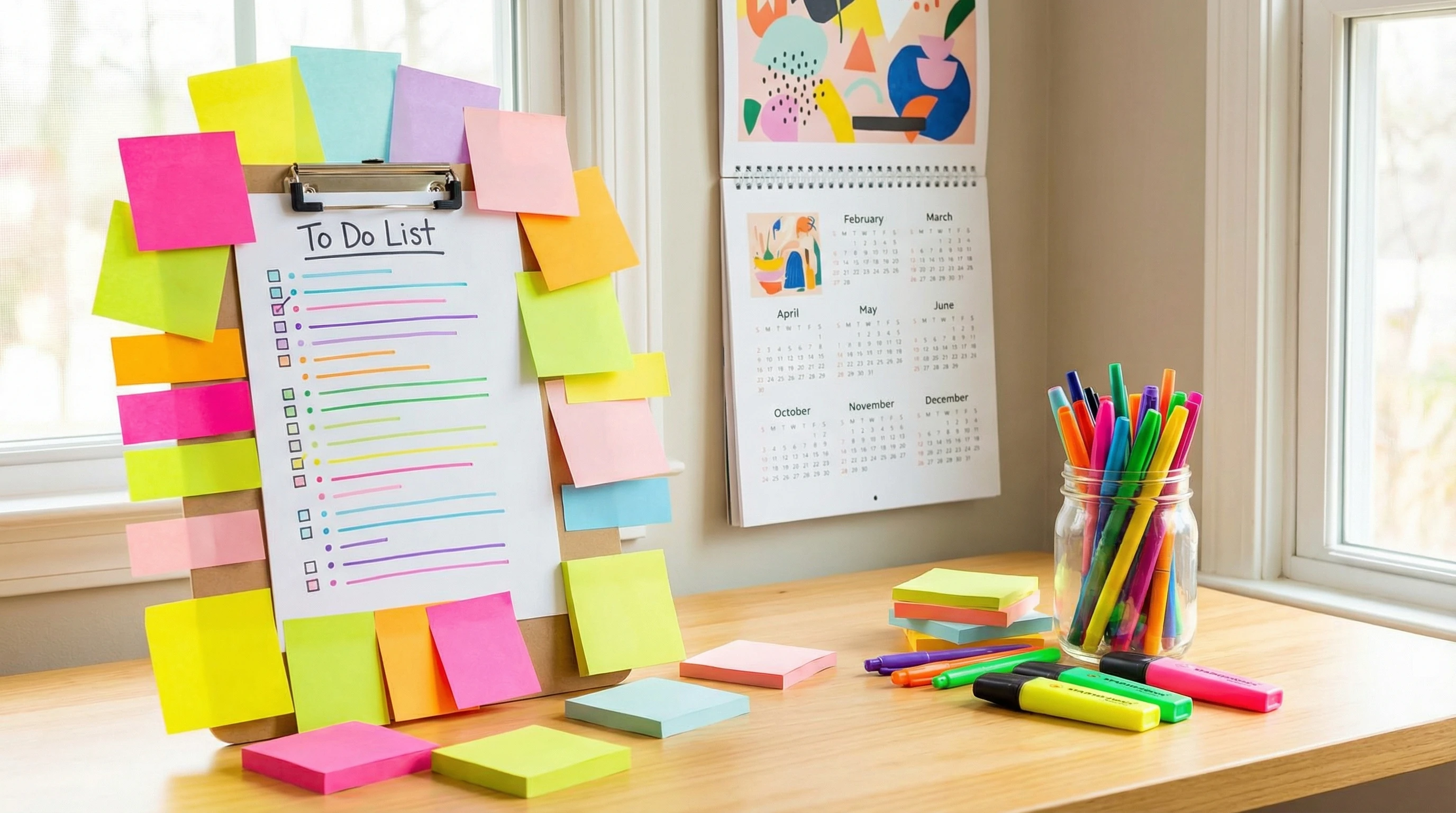
- Use a Visual Priority Cue: A sticky note in a bright color or a star by today’s most important task keeps your eye on the goal.
- Group Similar Tasks: Answer all customer emails in one go or call back clients back-to-back. This makes your to-do list look less endless and gives your mind fewer tracks to jump between.
These little wins can carry you through tougher parts of the day and help you keep moving steadily, instead of drowning in a never-ending list.
Real-Life Scenarios: When Prioritization Really Pays Off
Let me share a quick story: Back when I managed a busy office, we struggled every Friday. Tasks would snowball all week, leading to Friday chaos. I put a weekly Monday huddle in place where we each picked our three mission-critical tasks. By Friday, most of that work was finished, and the whole team felt better and felt more comfortable working in a more flexible manner. That shift in approach changed our office vibe for the better because we had every two Fridays out so this made the office team more focused mid-week and Fridays were flexible without the stress.
- Project Deadlines: Breaking large jobs into smaller, clear steps avoids deadline panic and keeps everyone on track.
- Customer Requests: Setting response windows manages expectations so you don’t end up scrambling the second something new comes your way.
- Surprise Assignments: Write them down first; check your current priorities before adjusting your plan for the day.
Frequently Asked Questions
Here are some common questions I get asked about prioritizing tasks to reduce stress at work:
Question: What if everything on my list feels urgent?
Answer: The traffic-light approach helps—assign red to truly urgent/important items, yellow for tasks that matter but aren’t pressing, and green for things you can push to later. This system forces you to face what truly needs your attention today.
Question: How often should I update or review my task list?
Answer: I do a quick check at both the start and end of each day. For longer-term stuff, a weekly review helps set the bigger picture, but those daily reviews keep you nimble and grounded.
Question: Does prioritizing actually help fight burnout?
Answer: Prioritizing keeps your energy focused on goals and work that really counts, instead of draining yourself on low-impact tasks. Less wasted time means a happier, calmer you.
Wrapping Up: Make Prioritization Work for You
Prioritizing isn’t just a way to get on top of your workload; it’s a habit that builds confidence and calm in your workday. Getting clear about your top tasks lets you head home with more energy and less stress, and who doesn’t want that? Every small change adds up—whether you’re reviewing your list in the morning or blocking off an hour for a big project, you’re building a routine that brings order and energy to your day and building life habits that work.
Try out some of these strategies the next time your workload feels overwhelming. With a simple plan, you can handle whatever comes your way, all while keeping your cool and avoiding burnout.
If you have any questions or comments, please add them below.