
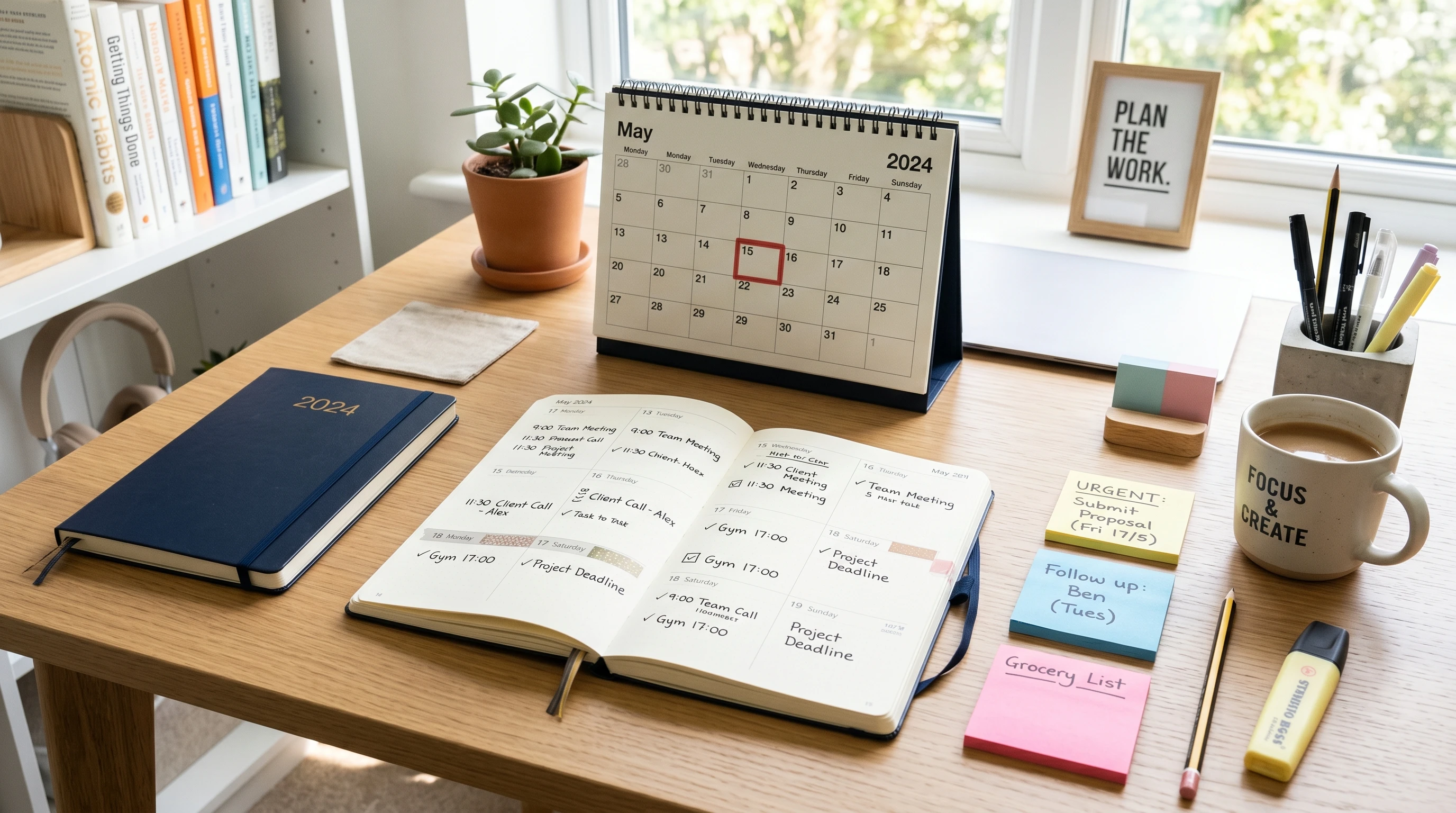
 Setting deadlines feels like a regular part of work, but getting them right is the real trick. If they’re too tight, stress levels shoot up, and if they’re too loose, projects end up dragging on. I’ve learned that getting deadlines right is not just about ticking boxes. It’s about protecting energy, keeping stress low, and getting better results in the long run.
When deadlines pile up and expectations aren’t clear, burnout creeps in quickly. From my own experience, adjusting deadlines and learning how to pace work can turn pure chaos into steady progress. Here’s a useful guide to setting deadlines that make sense, keep you happy, and help you get more done—without falling into the classic burnout trap.
Figure Out What Really Needs to Get Done, and What Can Wait
It’s easy to feel like everything is urgent. Still, most projects only have one or two parts that matter more than the rest. When my to-do list grows out of control, I step back and highlight the top priorities. This stops me from getting swamped by less important things. Focusing on the high impact items first gives me breathing room and helps to sort out where I need to give myself more time.
Questions That Help Me Set Priorities:
- Which tasks are most important for hitting the main goal?
- Are there any “nice to have” items that can wait until later?
- What’s the real deadline, and what’s just an internal goal I set for myself?
Picking out the top priorities early on keeps things clear and gives space to set reasonable deadlines for each step.
How to Estimate Time Without Guessing, and Getting It Wrong
Underestimating how long things take is one of the fastest ways to burn out. I’ve learned that doubling my first guess for new projects usually lands closer to reality. The work always takes longer when you factor in meetings, interruptions, or just the much-needed mental breaks.
Tips for Making Accurate Time Estimates:
- Break down big projects. Smaller steps are easier to estimate compared to a massive task.
- Check past projects. I look back at similar work and see how much time it really took.
- Add buffer time. I leave myself extra space in case something unexpected pops up or last-minute changes come in.
Making time estimates more accurate gives you a lot more control and helps to avoid those last-minute panic moments.
Create a Visual Timeline (It Makes Things Real)
When all my deadlines are just thoughts floating around, I lose track of what’s ahead. Mapping out tasks on a calendar—whether digital or paper—makes each step feel more achievable. Visual timelines often help me spot overloaded weeks and adjust before things get out of hand.
How I Use Visual Tools for Planning:
- Block working time on my calendar for big tasks.
- Use a simple to-do list, a simple notebook works or and e-calendar.
- Use tools like Trello or Google Calendar for reminders and tracking.
- Include personal commitments so work life balance stays on track. (this is a must too)
Seeing everything laid out like this helps me to avoid deadline overlaps and spreads workload more evenly, so things stay manageable.
Make Time to Pause and Regroup
Rushing from one deadline to the next with no breathing room will wear you down fast. I always block time in my week to check in on progress. Sometimes it’s just a 10-minute break, and other times it’s a full afternoon to reset goals and adjust deadlines if needed. These pauses allow me to spot burnout before it really takes hold, this then gives me room to adjust when projects begin to mix it up—as they always do.
Ways I Reset During a Busy Week:
- Solo walks to clear my head
- Quick check ins with teammates about switching priorities
- Switching to a different, easier task for a break in rhythm
Planning these breaks keeps everything running smoother and saves me from running on empty all the time.
Refresh Your Focus with Something Different
Sometimes, staring at the same spreadsheet or document for hours on end just drains my energy and makes deadlines seem impossible to reach. A quick switch to a totally different task—creative work, tidying up my workspace, or stepping outside for five minutes—makes a big impact. Mixing in some variety works like a mental reset, making it much easier to return to heavy projects with a clear head.
Ideas That Have Worked for Me:
- Moving from deep work to admin tasks every hour or so
- Listening to music or a podcast while doing something less brain heavy
- Grabbing a coffee or calling a friend for a quick, nonwork chat
I find that breaking things up adds positivity and stops the work from feeling like a grind.
Ask for Extensions When Needed
No one gets ahead by hiding when a deadline won’t be met. If I notice something’s going to take longer than planned, I reach out as soon as possible. In my experience, most supervisors and clients really appreciate this heads-up instead of a rushed job at the last moment. Being open about what’s slowing things down isn’t a weakness; it helps everyone get on the same page and find a new solution together.

How I Frame Extension Requests:
- Explain what’s causing the delay (unexpected tasks, revisions, etc.).
- Suggest a new realistic deadline.
- Share what I’m doing to stay on track and prevent it in the future.
Being clear and honest keeps stress down, shows I’m reliable, and strengthens working relationships—even when things change.
Common Questions & Quick Solutions
What if everything “feels” urgent?
I check with the person who set the deadline. Often, dates are more flexible than they seem. If not, I try to cut low priority tasks or delegate what I can.
How can I avoid overloading my schedule?
- Say no to new projects if the calendar is already packed.
- Add buffer time before and after large projects.
- Group similar tasks to save time and energy.
How do I bounce back if I already feel burned out?
Take a real break—even a single day totally off can help. I come back sharper and better equipped to mix it up with deadlines or reorganize my workload for the next week.
Realistic Deadlines: Key Habits That Help
Choosing deadlines that make sense, that are realistic is not just about pleasing a client or a manager. I set deadlines so projects stay fun, progress feels rewarding, and it’s easier to hold on to that spark that keeps work interesting. Here’s what I’ve found especially helpful for keeping burnout out of the picture:
- Prioritize the important work first; get that out of the way.
- Break big projects into small milestones to chip away at -amazing the progress you make.
- Set aside real downtime to check progress, rather than always pushing forward nonstop.
- Stay adaptable if things change—making changes is part of the process, not a failure.
Planning deadlines with some slack in the system keeps energy up, results better, and stress much lower. Not every project will go perfectly, but with these habits, you’ll bounce back faster, feel more in control, and actually enjoy the work you’re doing. The bottom line? Setting realistic deadlines isn’t just a productivity hack—it’s the key to happier, healthier work that lasts.
Do you have ideas I’ve forgotten to mention here, if you do, please comment below.