Planning a vacation isn’t just about booking a flight and finding a hotel. It’s about shaping an experience that actually helps you recharge, both mentally and physically. I’m always looking for ways to make the most of my time off, so I’ve picked up plenty of tips and smart approaches through trial, error, and a bit of research. Getting intentional about your time off can really give a boost to how refreshed you feel when you head back to work or to your regular routine.
Finding the Best Time to Take a Vacation
Timing a vacation right makes a big difference in how much you actually get out of it. Some people thrive on planning trips during big holiday breaks, while others find that sneaking away during off-peak periods can lead to better deals and quieter destinations. I’m a fan of looking at my own personal energy cycles. If you know when you usually feel the most worn out or stressed, that’s a great clue for when you’ll likely benefit from a break the most.
It -also helps to check your work schedule or school calendar, then look for windows where taking time off won’t cause extra stress on you or your team. Some workplaces are flexible and will let you take time off when you need it. At other jobs, vacations require a lot of coordination. Either way, giving yourself enough time to plan ahead is best.
Budgeting for a Recharging Vacation
Money doesn’t need to be a barrier to a good vacation, but a little bit of budgeting up front saves a lot of headaches later. I like to start by deciding what’s most important to me: is it having a nice place to stay, visiting lots of attractions, or just having more meals out than usual? Prioritizing helps shape the rest of the plan.
- Set an overall limit: Know what you’re comfortable spending before you book anything.
- Estimate big ticket items: Flights, accommodation, and car rentals are good places to start.
- Factor in the hidden stuff: Extra fees, meals, tips, and local activities really add up quickly.
- Watch for deals: Flexible dates help grab discounts, and using travel rewards points is always worth checking out.
- Set aside a “fun fund”: Having a bit of pocket money for spontaneous adventures keeps things exciting without financial worry.
You don’t have to splurge to feel recharged. A quiet weekend camping or a road trip with friends can be just as restorative as a trip overseas. The important thing is building a budget that matches your goals and sticking to it.
Relaxing: Making Space for Real Rest
Relaxation means different things to everyone, but the one thing I’ve found is that it won’t just happen automatically. There are vacations that leave you feeling more exhausted than when you left (I’ve had a few of those!), so being intentional about downtime is super important.
I always leave room in my schedule for unplanned time—maybe that means an afternoon with no commitments, or a whole day to simply wander and take in the scenery. Sometimes I unplug from devices, but other times, watching a favorite show or movie is my way of unwinding. The key is doing what feels genuinely restful to you, not what looks good on social media or what other people expect from a “relaxing” holiday.
Some easy ways to build in relaxation:
- Set aside time for naps or sleeping in
- Read a book, listen to music, or pursue a hobby you miss during everyday life
- Take a walk in nature, soak in a hot tub, or find a quiet café
- Consider gentle yoga or meditation if that’s something you enjoy
You might also want to try journaling during your trip. Writing out your thoughts, jotting down your favorite moments, or even sketching your surroundings helps you soak in each experience and reflect on your state of mind. Sometimes, just stepping away from the pressure to be productive and allowing time for these simple, mindful activities can help you reset much more effectively.
Catching Up with Friends and Family
Vacations can be a great time to reconnect with people you care about, especially if you haven’t seen them in a while. For some, recharging means solo time, but for others (me included, sometimes), a getaway is a perfect chance to catch up in a relaxed, low-pressure environment.
If your vacation includes loved ones, try to balance planned group activities with solo or quiet time. Not every minute needs to be scheduled together, but having shared experiences like simple dinners, card games, or morning coffee chats can make trips extra memorable. On the flip side, if you’re traveling alone, it can be fun to connect with locals or check in virtually with loved ones just to share your adventures or get tips on what to see.
When planning, you could ask friends or family what sounds relaxing to them. Group vacations work better when everyone is involved, and it helps to avoid misunderstandings or mismatched expectations. Sometimes discussing everyone’s “must-do” activities beforehand ensures everyone gets a little of what they want from the trip, creating a smoother adventure for all.
Returning Home Feeling Truly Recharged
How you end your trip matters just as much as how you start it. I’ve learned to avoid the impulse to cram every last minute with activity. Even a few hours for decompressing before getting back to daily routines can make a huge difference. Try to schedule your return with a buffer day if possible, so you can unpack, do laundry, and ease back into regular life without feeling rushed.
After your vacation, take a moment to check in with yourself. How are you feeling? What did you enjoy most, and is there anything you’d do differently next time? Keeping notes makes future planning easier and helps you find what actually helps you recharge. Talk to your travel companions about what went well—sometimes just sharing the highlights and talking about any funny or unexpected moments can make the trip end on a high note.
Common Challenges When Planning a Vacation
- Stress while planning: It’s easy to get overwhelmed by options. Narrow your choices early and use planning tools to keep details organized.
- Travel fatigue: Long flights, layovers, and packing too much into too few days can wear you out. Spread out your activities and build in recovery time.
- Unexpected expenses: Setting aside a small emergency fund helps cover surprises without the stress.
- Balancing different personalities: If you’re traveling in a group, remember honesty and open communication are really important for keeping the mood light and the plans flexible.
Pacing Your Vacation for Maximum Rest
I’ve noticed that vacations feel the most restorative when I avoid the “fear of missing out” trap. Trying to see everything in one go can backfire. Having one or two planned highlights per day and leaving room for changes along the way takes the pressure off and lets you enjoy the pace. Spontaneity often leads to the best and most surprising moments.
Tuning Out of Work Mode
Really recharging means mentally unplugging from work. I set up an out-of-office response, communicate my time-off boundaries, and avoid checking messages if I can. Even if you run your own business or have ongoing obligations, delegating tasks ahead of time or scheduling minimal work check-ins can help you stay present. Silence notifications and resist the urge to “just check in”—give yourself real permission to step away.
Practical Packing and Preparation Tips
- Pack smart and light: After years of overpacking, I’ve tracked down that bringing just enough (but not everything) helps you move more freely and reduces travel stress. You’ll thank yourself when you’re not lugging around heavy bags.
- Prep your home: Coming back to a clean house, a stocked fridge, or even just making your bed before you leave makes your return much nicer and less stressful after travel.
- Handle logistics early: Booking transportation, accommodations, and main activities in advance lets you focus on enjoying the trip, not scrambling at the last minute. Double-check your travel documents and print out confirmations just in case your phone loses power.
Also, make a simple checklist for things you might forget—chargers, medication, hand sanitizer, face masks in case these are needed, favorite snacks, or reading material for flights and downtime. Many people find that planning outfits ahead saves time each day and simplifies packing. If you’re exploring new climates, do a quick weather check before leaving so you can adjust packing at the last minute.
Frequently Asked Questions
Question: How far in advance should I plan my vacation?
Answer: For big trips, booking four to six months ahead gets you better prices and options. For short getaways, a few weeks’ notice often works. The earlier you plan, the more choice and flexibility you’ll have.
Question: What are some low-cost ways to recharge without traveling far?
Answer: Local stays, camping, or a staycation with zero chores can offer a great reset. Focusing on rest, fun, and disconnecting from daily responsibilities does the trick even when you’re close to home.
Question: I feel guilty taking time off. How do I actually relax?
Answer: It’s natural to worry about what you’re leaving behind, but reminding yourself that breaks improve your mood and productivity helps. Set up a proper coverage plan, let others know, and trust that your vacation benefits everyone, not just you.
Packing It All Together for Better Vacations
A vacation that really helps you recharge is one you plan with your own needs in mind, from timing and budget to the people you want to see and the ways you want to rest. Take into account your natural rhythms, communicate openly with fellow travelers, and listen to what your mind and body want most. The result is time off that actually leaves you feeling energized, not exhausted. You’ll return ready to jump back into daily life with fresh motivation and a clearer mind, proving that a thoughtfully planned vacation is worth every bit of effort. So get out and take some time to recharge, you’ll thank yourself. Thanks for reading this article. If you have any additional ideas, comments please leave a comment below.
I really connected with the idea of leaving unplanned time during a vacation, because I have definitely come home from trips feeling like I needed another vacation just to recover. It is so easy to fill every day with activities, especially when you do not want to “waste” the opportunity of being somewhere new. I like the thought of planning rest on purpose instead of hoping it will somehow happen. How do you usually protect that quiet time when traveling with other people who may want a busier schedule?
Hanna, thanks for stopping by my site, I have had that experience. I try hard to protect that quiet time it is important to my mindset, when the plan is interrupted, I refocus with the aim to find a quiet space for myself -alone, yes alone, that frightens some people but alone is recharging for me when things get loud. A group I love, love vacationed with me. I was exhausted at one point, we were in a museum which had a restaurant which was quiet, so I said, let me catch up with you all at the front entrance in an hour that worked, they went shopping, everyone had a great time. Try something like that, be safe have fun.
This is a wonderful guide. One area in particular is tuning out work. I have had trouble with this and probably always will. It is easy to get wrapped up in work, and finding a disconnect is tough.
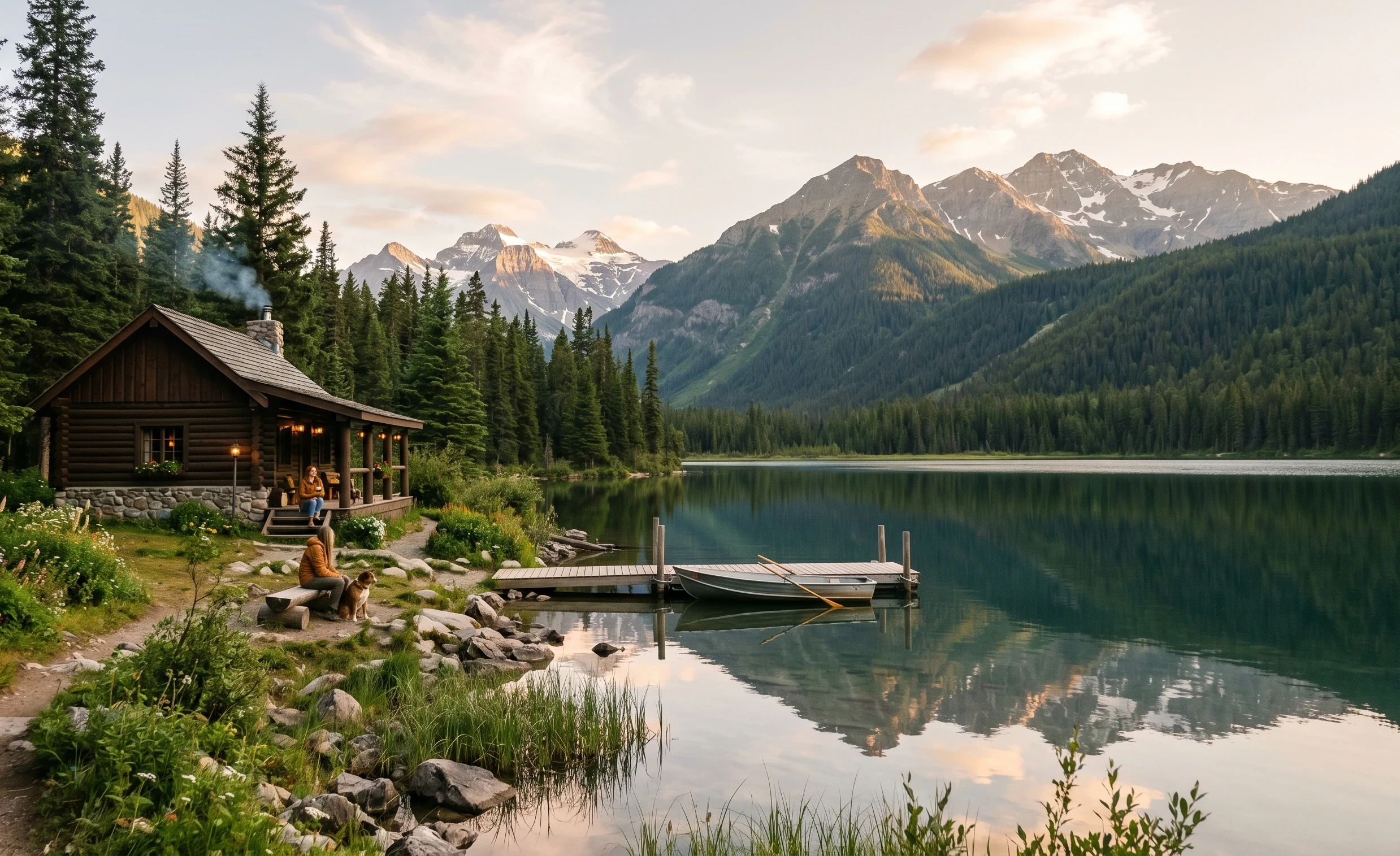
I love the imagery. I have never given the mountains a thought. Looks very tranquil and relaxing. I typically go to beaches and Vegas. Maybe the mountain fresh air is just what I need to unwind.
Thanks, Michael, for stopping on my article. It is hard to step away from work, that disconnect is hard, the plan stage makes it easier and exciting, and you make all the needed arrangements upfront and then go and there are few worries. I did this a few months back and it was great it was needed. Plan a vacation or staycation, that a couple days nothing large and come back with a better frame of mind and then consider something longer and plan it. I’m glad the imagery helped you at least step away for a moment in your mind. 🙂