Rushing from one task to the next and losing track of time is normal during a busy workday. For a long time, I used to ignore the small signals of thirst. Before I knew it, I’d feel drained and would struggle to focus, not realizing dehydration was the reason my energy was dropping. Staying hydrated during work hours can seem unimportant, but it plays a huge role in keeping the mind alert and the body functioning properly.
Even though most people know that water is good for you, dehydration is sneaky and easy to miss. Just because I’m not thirsty doesn’t mean I’m properly hydrated. Over time, I started paying attention to how much water I was drinking. I noticed a clear difference in my mood, my focus, and how quickly I could get through tasks. Here’s a practical look at why drinking enough water during the workday matters and a few ways to make it part of my everyday routine. You can use these tips too at work or anytime.
Why Hydration Matters at Work
Getting enough water isn’t only about quenching thirst. Hydration affects every part of how my body and brain function. When I forget to drink water, I end up feeling sleepy, my head gets fuzzy, and I lose motivation. The simple habit of keeping water nearby during the workday improves how I feel and work.
What Dehydration Does to Me
- Feeling tired and heavy eyed, even after a full night of sleep
- Trouble thinking clearly or making decisions
- Getting headaches during meetings
- Dry mouth and eyes, which can make talking and using a computer uncomfortable
- Irritability or low mood by the afternoon (this is real)
These signs of dehydration can happen without me realizing they’re caused by not drinking enough water. That’s why being intentional about hydration is really important for getting through a full workday smoothly. Plus, workplace environments can dry out the air—so staying ahead of dehydration is helpful especially in air-conditioned offices or heated buildings.
How Water Supports My Body and Mind
Water helps regulate my temperature, keeps joints lubricated, delivers nutrients, and clears out waste from my cells. All the small processes happening inside me depend on a steady supply of water to work their best. When I drink enough water daily, I can actually feel myself work better and face less afternoon sluggishness.
Hydration and the Brain
- Adequate hydration helps me stay sharp and focused on complex tasks.
- Dehydration makes it harder to remember things or keep information organized in my mind.
- Studies show that just a mild drop in hydration can reduce my ability to pay attention or process ideas quickly (source).
- Staying hydrated supports consistent mental energy, especially when juggling a heavy workload or problem solving.
Benefits for the Body
- Water helps control my energy level, so I don’t feel wiped out by mid-afternoon.
- Hydration keeps digestion moving, which means less bloating and discomfort during long meetings.
- My skin, eyes, and even breathing feel better when I’m hydrated, especially in air-conditioned or heated offices.
- Hydrated muscles also reduce the risk of cramps, especially if I’m sitting or standing for long stretches.
The Sneaky Nature of Dehydration
Sometimes, I’d just power through my day and ignore the mild hints from my body. What I realized is that the first signs of dehydration are extremely subtle. By the time I feel truly thirsty, I might already be dehydrated. Plus, office distractions or a fast-paced schedule can make this even harder to spot.
Common Ways Dehydration Creeps Up
- Forgetting to refill my cup once I’m in a deep work session
- Choosing coffee or sugary drinks instead of water (Water is best)
- Confusing hunger for thirst, which sometimes makes me snack more than necessary (a bad one)
- Relying on bottled water or vending machine drinks rather than just filling a reusable bottle as I go
- Missed breaks or long meetings where I don’t stand up to get water
Staying ahead of dehydration means building a few simple cues into my day, so drinking water becomes second nature. I also keep an extra bottle in my bag or car so that I’m never without access to water, even during long commutes or back-to-back meetings.
Signs I Need to Drink More Water
- Low energy or frequent yawning
- Dull headaches that get worse as the day goes on
- Trouble concentrating on emails or detailed documents
- Dry lips, mouth, or skin
- Rarely needing a bathroom break, or dark colored urine
- Sudden mood swings or irritability that doesn’t match the day
Whenever I notice two or more of these, I know it’s time to grab a glass of water instead of more coffee or a sugary drink. Keeping track of my body’s signals helps prevent reaching that low energy crash.
Simple Habits to Stay Hydrated During Work
After I started tracking my own water intake, I found that a few small changes made it much easier to keep up with hydration, even on my busiest office days. These steps are simple, but they really work.
Practical Ways I Build Hydration Into My Day
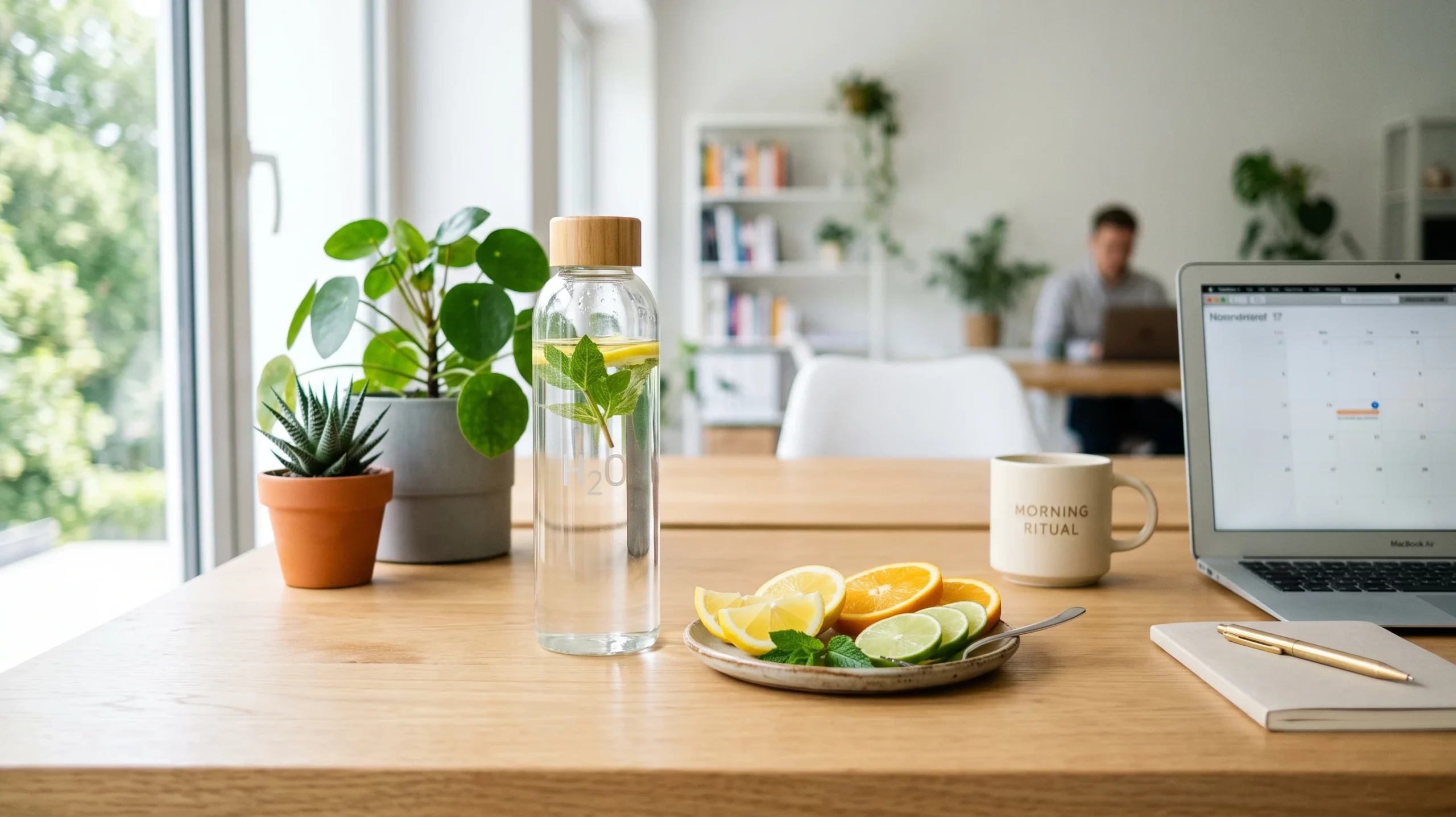
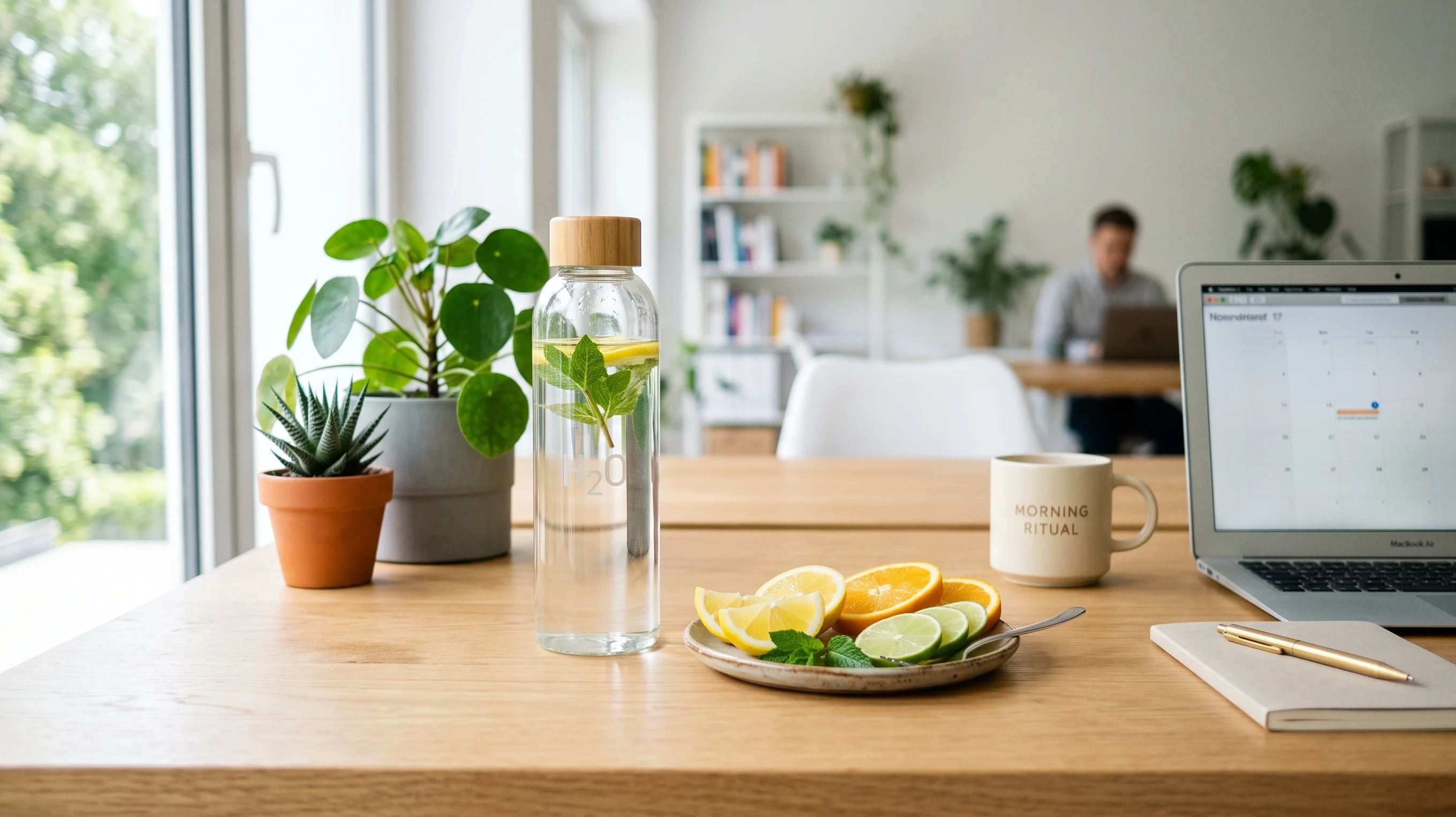
- Always Have Water in View, A clear bottle on my desk reminds me to take sips between tasks.
- Start With Water, I drink a glass of water first thing in the morning and before starting my main work sessions.
- Create Triggers, Linking water breaks to certain activities (like getting up to stretch or before every meeting) helps me form a habit.
- Make It Enjoyable, Adding a lemon slice or a few cucumber pieces helps me look forward to those sips.
- Refill at Lunch, Refilling my bottle every lunch break ensures I don’t go hours without drinking.
- Try an App or Chart, I sometimes use a hydration tracking app or a simple tally on paper to see my progress at a glance throughout the day.
What Counts as Hydration?
Pure water is always the best choice for hydration, but not all fluids are equal. I noticed that too much caffeine or sugar left me feeling jittery or even more thirsty. Here’s what I learned about my drink options:
- Water is always best. Flavored waters with no added sugar are a good choice too.
- Herbal teas or lightly brewed green tea, without sugar, can provide variety and keep hydration up.
- Limit coffee, black tea, and soft drinks. These might make me need to visit the restroom more often, which can work against staying hydrated.
- Electrolyte waters or low sugar sports drinks are useful only if I’m sweating a lot or working outdoors.
- Infused water with fresh fruit or even diluted juice helps mix in some variety and breaks up the monotony of plain water.
Naturally, fresh fruits and vegetables like cucumbers, oranges, and watermelon can also help with my hydration if I snack on them throughout the day.
Common Questions About Hydration at Work
How much water should I drink during work hours?
My needs depend on my body size, activity level, and environment. A general rule is to aim for about eight 8-ounce glasses during the day, but I pay attention to my thirst and physical signs. If I feel thirsty or my urine is dark, I know it’s time to drink up. In heated or air-conditioned offices, I might need even more since those environments can draw more moisture from my skin.
Can I drink too much water?
Drinking water steadily throughout the day is safe for most people. I avoid chugging large amounts all at once, and I usually don’t need more than about 2 to 3 liters a day unless I’m working in very hot conditions or doing a lot of physical activity.
What if I forget to drink water?
I set reminders on my phone or jot a note in my calendar for short water breaks. Sometimes, I pair taking a sip with finishing a task or stretching to remind myself. I also keep my water bottle within arm’s reach, so hydration is always just a quick reach away.
Making Hydration an Easy Part of My Routine
Building the habit of drinking enough water took a little trial and error. Here is a short action plan I use to stay hydrated at work:
- Fill a bottle each morning and keep it on my desk as a visual cue.
- Take a few sips of water before starting any phone call or meeting.
- Refill my bottle during my lunch break.
- Grab another small glass mid-afternoon to beat the post lunch slump.
- Eat water filled snacks, like cut fruit or cucumber slices, especially when I want something crunchy.
Fresh water and a bit of planning are enough to help me feel energized and clear headed all day. Paying attention to hydration has made a real difference in my productivity and overall happiness at work. The more I weave this habit into my daily routine, the easier it is to remember and see the benefits each day. Small actions—like sipping regularly and keeping water close—add up big time for health and focus at work.
I hope this article helps you develop or enhance your hydration habits. As always thanks for visiting my site. Let me know what your hydration habits are?
This is a practical and engaging article that highlights an often-overlooked aspect of workplace wellness. I appreciate how it combines clear explanations of the physical and cognitive benefits of hydration with simple, actionable habits that readers can easily incorporate into their daily routines. The emphasis on recognizing the early signs of dehydration and building consistent hydration habits makes the advice both relatable and achievable. Overall, this is a well-structured and informative resource that encourages healthier work habits while reinforcing the strong connection between hydration, productivity, and overall well-being.
Yes, hydration is often over-looked, and it is so important as you say, if not hydrated you will feel tired, sluggish, and thinking is harder. And one of the things the body needs is the lubrication water provides to function at its best. I’m glad you find this a valuable article because if we build good habits that are easily put in place, the benefits will come if we just stay hydrated.
I can really relate to this. I also start my mornings with a glass of water, but once the workload piles up, I get so absorbed in tasks that I forget to hydrate until the end of the day. Having a bottle of water on my desk has been the most effective reminder for me, almost like a silent nudge to pause and take care of myself.
Have you found any small rituals or cues (like linking water breaks to specific tasks) that make it easier to stay consistent with hydration even during those overwhelming stretches of work?
Hi Alysanna, I agree with you totally, having that glass of water first thing seems to send a signal to yourself to get moving, which is always a good thing. And it definitely helps me with a fresh mindset to start the day with.
I can get pretty absorbed in work too. The small habits that help cue me to drink water are when that glass of water goes empty, I go refill it. Or I refill it right at the desk, sometimes I keep a larger container of water next to the glass, but I prefer walking to a water source since walking is a good habit too.
I begin every day saying I am going to drink water, but unfortunately, I fail miserably. After the initial glass, I typically switch to coffee. I do need to lay off of it and switch back to water. My days may improve. I do have a strange ability to tolerate coffee all day long and fall asleep when I lay down, even if I have a cup before bed.
That first glass of water is more beneficial than you know. Keep it up, maybe start adding a second glass after lunch or during lunch, add your favorite fruit to it, a lemon is great but plain water is good. If all else fails drink the coffee at least, you’re getting water in the coffee, maybe try the decaf later in the day, you may fine you sleep better. You may feel more refreshed when you wake.